
Evidence in Action: Connecting Schwartz Rounds® to Better Healthcare
The Schwartz Center for Compassionate Healthcare was founded on the belief that compassionate care is essential to healthcare quality and outcomes.
Research shows that compassion improves patient care and helps healthcare workers feel more fulfilled in their roles, but many organizations struggle with how to actually build more compassionate cultures. Our Schwartz Rounds program, where healthcare teams gather to share the emotional side of their work, provides a concrete solution to this problem.
We know that healthcare is about more than medical expertise—it’s about human connection.
The extensive research on the Schwartz Rounds program connects with what we know about compassion in healthcare more broadly, providing practical insights for anyone looking to create more supportive, caring healthcare environments — for healthcare workers, patients, families, organizations, and communities.
Our program gives healthcare leaders a blueprint to improve staff well-being, the patient experience, organizational culture, and operational efficiency — making compassionate care not just a moral imperative but a strategic advantage in today’s challenging healthcare environment.
The Schwartz Rounds Program
The Schwartz Rounds program provides a regular open forum for a multidisciplinary discussion of the psychosocial and emotional aspects of working in healthcare. Each session is organized around a compelling theme or patient story, and includes both clinical and nonclinical panelists and participants.
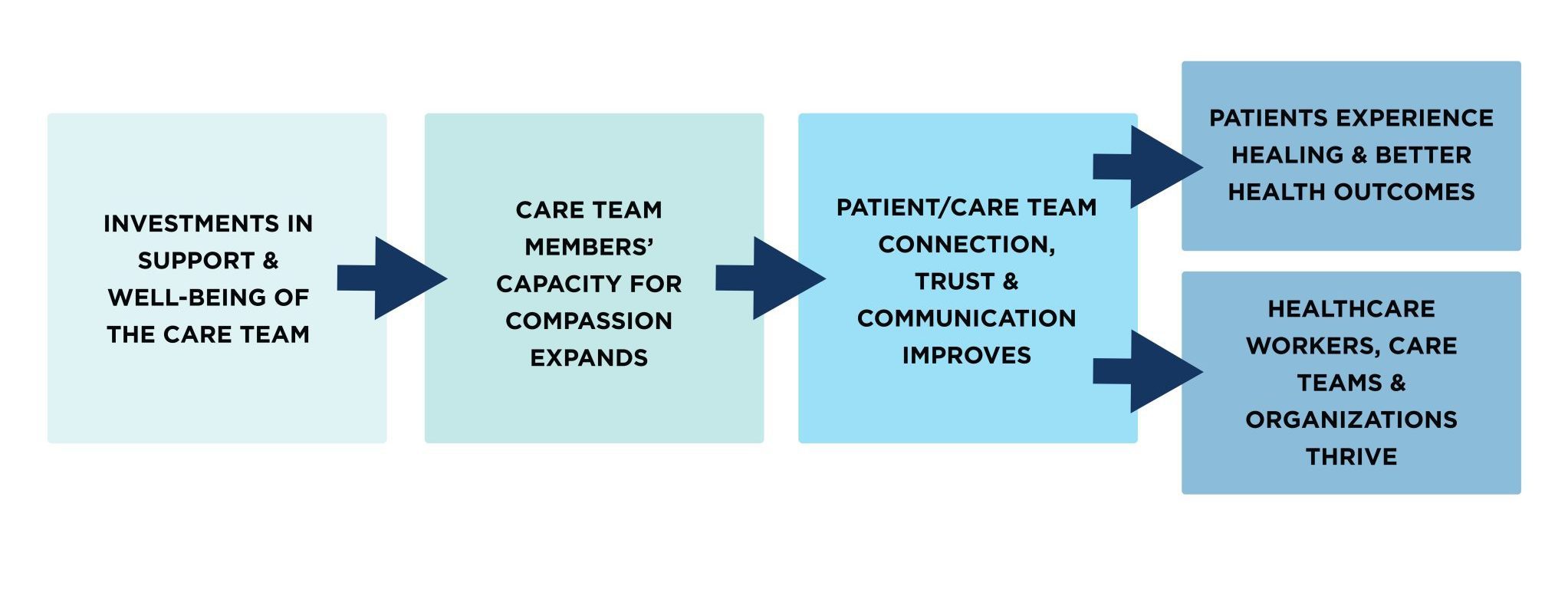

Schwartz Rounds participants report:
90%
better communication with their co-workers
85%
increased empathy towards patients
82%
provided more compassionate care
Evidence-Based Impact
Research on the Schwartz Rounds program has shown significant benefits:
Learn more about how the Schwartz Rounds Program impacts individual attendees, care teams, organizations and patients.
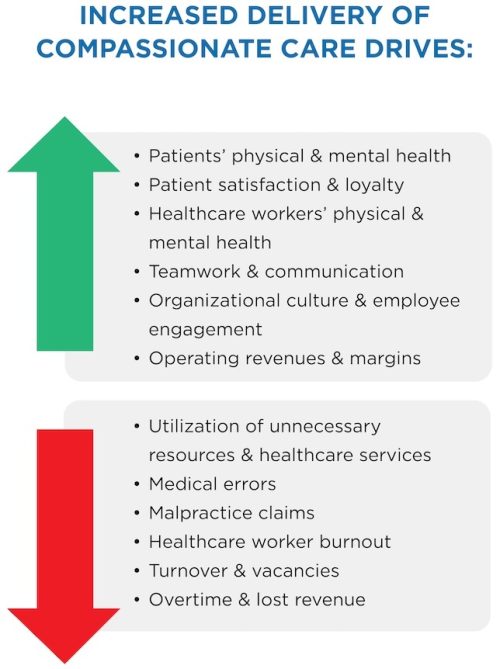
The Business Case for Compassion
Research shows that compassionate healthcare is not just ethically right but economically sound. Compassionate care leads to:
Learn more about the organizational and financial benefits of compassion:

Schwartz Rounds Research
Evidence demonstrates that the Schwartz Rounds program directly addresses common healthcare challenges, including burnout and staff turnover. Patient-centered outcomes improve when healthcare providers have proper support for the emotional demands of their work.

The Case for Compassion
Organizational culture shifts toward compassion create ripple effects throughout healthcare systems, affecting everything from individual patient interactions to system-wide policies. The economic benefits documented in the Case for Compassion provide financial justification for investing in the Schwartz Rounds program.
© 2026 The Schwartz Center. All Rights Reserved. Site Map
