

Executive Summary
What is the Schwartz Rounds program?
The Schwartz Rounds program provides a regular open forum for a multidisciplinary discussion of the psychosocial and emotional aspects of working in healthcare. Each session is organized around a compelling theme or patient story, and includes both clinical and nonclinical panelists and participants.
Who benefits from participation in the Schwartz Rounds?
The program is offered in nearly 800 healthcare organizations throughout the U.S., Canada, the UK, Ireland, Australia and New Zealand. It has proven to be highly effective across diverse healthcare and educational settings, among both clinical and non-clinical workers in various disciplines, specialties, roles, and levels of training.
What does the research on Schwartz Rounds show?
Research shows that the Schwartz Rounds program is beneficial for patients, individual caregivers, care teams, and healthcare organizations. Researchers have found that the impact of the program is cumulative: the more sessions attended, the greater its impact on individuals, patient care, and teams.
Individual Attendees
Attendees experience reduced distress and isolation, greater confidence and resilience, and a stronger sense of connection, purpose, and well-being at work.
- Reduced psychological distress by 50% compared to non-attendees
- Reduced moral distress reported by 50% of physicians and 35.5% of nurses
- Increased confidence in handling sensitive issues and work stress
- Decreased isolation and stress, and increased feelings of support and connectedness
- Renewed commitment and passion for work, and an increased sense of growth and pride
- Reduced mental health stigma because the Schwartz Rounds sessions are seen as a safe way to share the emotional impact of work compared to traditional alternatives
Patient Care
Patients benefit from increased empathy and understanding among care teams, helping ensure their needs are met with greater compassion and confidence.
- Increased compassion and empathy reported by more than 85% of respondents who said the Schwartz Rounds program increased their understanding and practice of empathy with patients
- Improved insights from 90% of attendees who reported a greater understanding of the psychosocial and emotional aspects of patient care
- Enhanced confidence in responding to patients’ needs as attendees gained insights into patients’ and families’ experiences and how illness affects their lives
- Improved patient and staff satisfaction in one study, consistent with other research showing that compassion practices can improve HCAHPS ratings
Care Teams
Care teams report stronger teamwork, greater understanding of colleagues' perspectives, and a deeper sense of shared purpose.
- Improved teamwork and communication among colleagues, including more openness to offering and receiving support, and a flattening of hierarchy
- Increased understanding of others’ roles and perspectives and more inclusion of non-clinical staff
- Increased engagement with leadership and more personal conversations between staff and managers
- Stronger sense of shared purpose and a stronger connection to the mission of patient care
Organizations
By creating space for reflection and connection, Schwartz Rounds help build healthier, more collaborative, and resilient organizations.
- Improved work environment from supporting caregiver emotions and creating safe spaces for reflection
- Enhanced collaboration across disciplines and departments and building of interdisciplinary bridges
- Increased sense of leadership support, with staff feeling more valued and that their work is appreciated
- Implementation of organizational changes in policies and practices, and positive ripple effects on culture
What is Compassionate Care?
Compassion is defined as recognizing and acting to relieve distress and suffering. It encompasses caring for and supporting both patients and their care teams.
As a cornerstone of relationship-centered care, compassion addresses the emotional and psychosocial aspects of illness. It fulfills the patient’s innate need for human connection and caring relationships across their healthcare journey. Compassionate care is based on active listening, strong communication and interpersonal skills, and a holistic understanding of the patient that includes their perspective, support system, and community.
Compassion is integral to the foundational values of healthcare – promoting health, preventing and curing disease, respecting the autonomy and dignity of patients, and nurturing the healing process through caring relationships and the relief of suffering. Patients and healthcare workers alike believe that compassion is essential to successful medical treatment, how well patients recover from illness, and even whether a patient lives or dies.[1]
Yet surveys reveal a significant “compassion gap” when asked how consistently professionals provide compassionate care.[1] While research has traditionally focused on caregivers’ skills in patient-clinician interactions, attention is shifting to systemic issues. High rates of psychological distress, burnout and poor mental health among healthcare professionals highlight the organizational factors that may improve or diminish the innate compassion that drew individuals to healthcare careers. By examining and improving systemic drivers, healthcare organizations can better support their staff, ultimately providing more safe, equitable and compassionate patient care. [2][3]

What is the Schwartz Rounds® Program?
The Schwartz Rounds program provides a regularly scheduled open forum for a multidisciplinary discussion of the psychosocial and emotional aspects of caring for patients and families. Each session is organized around a compelling patient story or theme and includes both clinical and nonclinical panelists and participants.[4]
These regular meetings give healthcare workers the opportunity to come together in a safe and confidential environment to reflect, connect, and discuss the impact of the psychosocial and emotional aspects of caring for patients and families.
By focusing on both patient-centered and caregiver-centered concerns, the Schwartz Rounds program fosters empathy, improves communication, and supports the well-being of patients and healthcare workers alike.
Who benefits from participation in the Schwartz Rounds® Program?
The Schwartz Rounds program has gained global recognition and has been implemented in more than 900 healthcare organizations throughout the U.S., Canada, the UK, Ireland, Australia and New Zealand. The program’s impact has been extensively studied in English-speaking countries with different healthcare delivery and reimbursement systems, consistently demonstrating high effectiveness across diverse settings, and benefitting both clinical and non-clinical staff.
Research on the Schwartz Rounds program spans a wide array of healthcare and educational facilities, including pediatric and adult medicine, maternity, mental and behavioral health, trauma, rehabilitation, hospice care, and universities training future healthcare professionals. The clinical facilities offering the program serve diverse socioeconomic populations in public and private, urban and rural, academic and community healthcare settings.
The program’s versatility extends beyond traditional healthcare environments, proving beneficial for professionals ranging from case managers to ambulance drivers, and from health insurance companies to organ procurement organizations. This adaptability underscores the program’s broad applicability and value across the healthcare spectrum.
The Schwartz Rounds program is intentionally designed to include attendees from various roles within the healthcare system. Participants encompass clinical and non-clinical healthcare workers with a wide range of responsibilities and levels of training, fostering a truly inclusive and comprehensive approach to addressing the emotional and psychosocial aspects of healthcare.
The widespread adoption and flexibility of the Schwartz Rounds program highlight its ability to promote empathy, improve communication, and support the well-being of both healthcare providers and patients across diverse settings and systems.
Our History
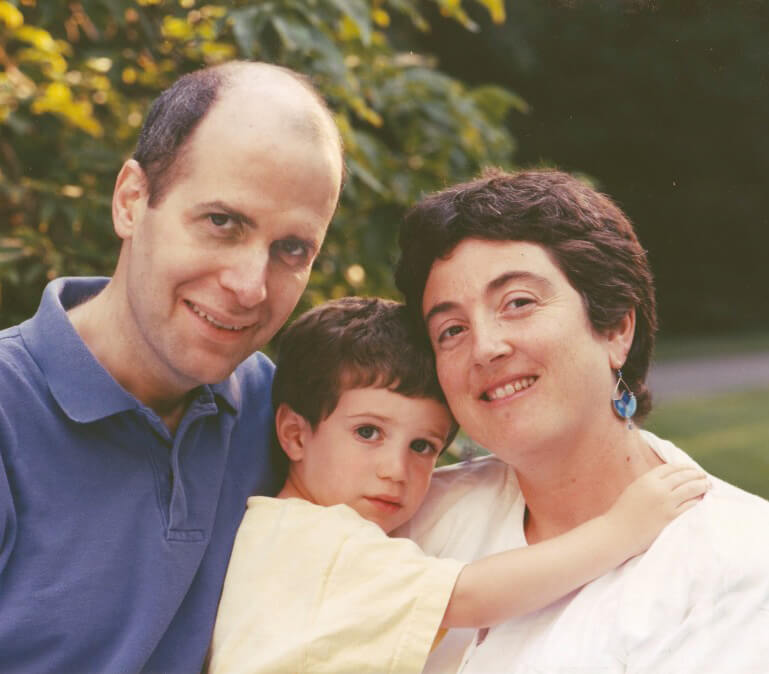
The Schwartz Rounds program was introduced in 1995 with the founding of the Schwartz Center for Compassionate Healthcare and is the legacy of Kenneth Schwartz.
Ken was a healthcare attorney who was diagnosed with advanced lung cancer at the age of 40. He was moved by the compassionate care he received from his caregivers. Near the end of his life, he wrote:
It has been a harrowing experience for me and for my family. And yet, the ordeal has been punctuated by moments of exquisite compassion. I have been the recipient of an extraordinary array of human and humane responses to my plight. These acts of kindness – the simple human touch from my caregivers, has made the unbearable bearable.
Kenneth B. Schwartz.A Patient’s Story, The Boston Globe Magazine – July 16, 1995.
Ken understood that the changing healthcare environment could diminish the empathy and humanity in healthcare. To ensure that all patients receive the kind of care he received, he founded the Schwartz Center in the last week of his life. After his death, Ken’s family met with his caregivers to ask what they needed to maintain their compassion – their answer was simple: They needed time together to process their work.
What does the research on the impact of Schwartz Rounds show?

Researchers have studied participant ratings on standardized post-session Schwartz Rounds evaluation forms, supplemented by qualitative analysis of comments, interviews, and focus groups. Research shows that the program is highly valued and rated positively by attendees across diverse settings.[5][6][7][8][9] For example, the endorsement question, “I plan to attend again,” was the highest rated post-session survey item reported by multiple research studies, including a large study that included 13,452 evaluation forms collected over four years in 47 acute, community, mental health facilities, and hospices.[10] Ratings of the Schwartz Rounds program remain high in longitudinal studies of three to six years or more.[9][11]
Interestingly, researchers have found that the impact of Schwartz Rounds sessions are cumulative. The more sessions attended, the greater its impact on individuals, patient care, and teams.[6][12]
The impact of the Schwartz Rounds program that has been described in numerous peer-reviewed published studies can be classified into four categories:
Impact on Individual Attendees
Improved Well-being
Attending Schwartz Rounds sessions is associated with improved well-being and the ability to cope with the psychosocial and emotional challenges of working in healthcare. Participants find that the program offers protected space for reflection and discussion which validates their emotions and helps them process and integrate their experiences.
I think just giving me the opportunity to feel those feelings, it’s hard to explain, it’s just one of those things where you go in [to a Schwartz Rounds session] and you feel at ease, you feel better, you’ve dealt with something that was maybe at the back of your head, or deep down in your heart. Then you feel relieved.[12]
Reduced psychological distress
Given the current epidemic of burnout and poor mental health among healthcare workers, one of the most compelling pieces of research shows that the Schwartz Rounds program significantly reduces severe psychological distress by 50% among attendees compared with non-attendees.[13]Those who attend the sessions report a greater confidence in their ability to cope with sensitive issues and the psychosocial demands and stress of work. Participants report that they “…feel lighter, more emotionally regulated” after attending.[12] Healthcare workers feel more at ease, “a little bit kinder to myself… [having been given] the permission to be less than perfect.” [12] They feel less isolated, less stressed, more supported, and less alone in their work.[6]
Reduced moral distress
Schwartz Rounds sessions provide “recognition that we can be angry and frustrated with patients, at their situation, and express it authentically, honestly and constructively to benefit them. You’ve got a chance to vent your positive and your negative feelings in quite a protective place.[11]
Moral distress is a condition that affects healthcare workers when they are in a situation in which they are constrained from acting on what they know to be right, and instead feel compelled to act in ways that compromise their core values and obligations.[14] Research has shown that moral distress can accumulate over time, potentially becoming integrated into one’s self-perception and sense of identity, resulting in moral injury. Notably, one study showed that attending Schwartz Rounds sessions led to a decrease in moral distress in 50% of physicians and 35.5% of nurses immediately after a session.[15]
Protected space to process negative emotions and traumatic stress
Attendees greatly appreciate the confidential, protected time for collective reflection and processing of difficult emotions, trauma and loss. This is critical for the development of self-awareness, coping skills, and healing after difficult experiences.[16] Caregivers are exposed to traumatic situations through personal exposure, as in epidemics, pandemics and incidents of workplace violence, and secondarily by bearing witness to death, and the trauma, loss and grief of patients and families. Some researchers have found that higher frequency of attendance may be associated with decreased secondary traumatic stress at some sites.[17]
I think we don’t consider the human cost of traumatic experiences enough. [The] need for debrief and review is massive, especially after traumatic deaths.[9]
Negative emotions towards patients and internal conflict inevitably arise in the stressful conditions inherent in healthcare settings. These feelings may be suppressed, especially when perceived as being inconsistent with caregivers’ sense of professionalism. This in turn generates feelings of guilt and self-criticism.[11] Sessions offer attendees an opportunity and a new lens to reflect on and process both current and past experiences, allowing them to engage in reframing and integrating the emotional and psychological impact of caring for patients and their families, and to consider how they might react in the future.[18][19] Many attendees experience profound relief from the validation of their emotions and experiences during sessions as they realize they are not alone in these responses.[12][20] Some researchers have suggested that attendance helps shift healthcare workers from personal withdrawal and isolation to a situational attribution of events with the likely outcome of preventing internalization and burnout.[18]
Reaffirmation of passion, pride and purpose
It generates pride in our identity. We need to re-emphasize that we are here to care for patients, so we need to look after staff.[52]
Attendees have reported renewed commitment and “a new passion for my work.”[6][12] Others have mentioned experiencing a reinvigoration of their sense of professional pride and identity after attending Schwartz Rounds sessions.[21] Participants express appreciation and enjoyment in “being a part of something a little bigger than themselves.”[22]
Impact on patient care
Improved compassion and patient-centeredness
Improved patient and staff satisfaction: When the Schwartz Rounds program was introduced in the United Kingdom, organizations that were early adopters of the program tended to perform better on staff and patient experience surveys compared with non-adopting organizations or organizations that adopted it later.[23] At least one U.S. organization has reported significant improvements in patient satisfaction and staff engagement since implementing the Schwartz Rounds program.[24] This is consistent with health services research showing that compassion practices, including offering safe and communal reflective space for caregivers, improves HCAHPS ratings.[25]
I think they make me more reflective as a clinical practitioner. So I’m much more tuned in to how the patient might be feeling, how their family might be feeling and [so I] don’t concentrate so much on the medicine but think about the bigger picture and probably practice more holistically.
More compassionate, patient-centered care
In a prospective, longitudinal study of ten sites newly implementing the Schwartz Rounds program across the U.S., 90% of participants agreed that they had increased insights into the psychosocial and emotional aspects of patient care. Eighty eight percent reported greater confidence in being able to respond to patients’ needs. Eighty two percent reported providing patients with more compassionate care.[26] Attending the sessions with other members of the care team has been associated with several patient-centered outcomes. Those who attended Schwartz Rounds sessions with other members of their care team reported significantly greater confidence in responding to patients’ needs (p < .01), greater insights into the psychosocial and emotional aspects of patient care (p < .05), and more focus on the effects of illness on patients lives and families (p < .01).[26]

The frequency of attendance at Schwartz Rounds sessions has been correlated with similar outcomes, suggesting that the impact of the program is cumulative. The more Schwartz Rounds sessions attended, the greater the impact on participants’ increased insights into the psychosocial and emotional aspects of patient care (p < .01), increased focus on the effects of illness on patients’ lives and families (p < .05), and increased provision of more compassionate care (p < .05).[26]
Impact on care teams
Increased perspective-taking, appreciation and empathy for colleagues
The Schwartz Rounds program enables emotional resonance across healthcare workers regardless of their role or seniority.[11][27] The majority of attendees in many studies report a deeper empathic ability to understand their colleagues’ perspectives and feelings and greater appreciation of their roles and responsibilities.[6][17][12][22][28][29] Attendees in several studies agreed that they gained insight into how others think and feel when caring for patients, making it more likely that they would approach colleagues with questions and dialogue when considering options for their own provision of care in the future.[9][12][20][29]
Better communication and teamwork
Participants report being more open to expressing their thoughts, feelings and questions after participating in Schwartz Rounds sessions.[6][12] One study suggests that Schwartz Rounds sessions may be particularly helpful in those units where teamwork is not optimal. Across 20 U.S. pediatric intensive care units (PICUs), PICUs with lower levels of teamwork rated the Schwartz Rounds program as significantly more impactful than staff in PICUs with higher teamwork scores (72% versus 50%, p < .05).[30]
In one study, participants reported having significantly more personal conversations with co-workers, supervisors and managers following Schwartz Rounds attendance, compared with non-attendees.[31] Better teamwork is fostered by more open dialogue and communication across roles and levels of seniority.
Decreased isolation, increased sense of community and inclusion
Quantitative and qualitative studies consistently highlight the inclusive, cross-cutting nature of Schwartz Rounds sessions as a prominent benefit. By facilitating open discussion and validating attendees’ emotional experiences, the Schwartz Rounds program helps attendees realize they are not alone in their feelings, nor in their strategies for coping with these challenges.[6][28][32]

Researchers have found that the program dismantles barriers and provides a forum for community building.[17]Participating in the program benefits both clinical and non-clinical workers; there are no significant differences in their ratings of Schwartz Rounds, although they may experience them differently.[31][10]While clinicians experience direct gratification in providing compassionate care to patients and families, non-clinicians experience a deeper appreciation of their own contributions to this shared goal.[12] Schwartz Rounds discussions unite attendees in recognizing their interconnectedness, shared humanity and shared purpose of working together to provide compassionate care.[9][17][33]Perhaps because attendees are all invited to participate regardless of their level or position, they perceive some leveling of professional hierarchy.[27][29] As one participant said, “We all play a part in how we care for the patient, so we’re all equal.”[22]
Impact on organizations
Improved work and learning environments
The Schwartz Rounds program contributes to positive learning and work environments. They do this in part by validating and normalizing emotional reactions to challenging situations and by creating a trustworthy, psychologically safe space for reflection, connection, positive relational norms and a community of humanistic practice in both clinical and educational settings.[34][35][36][37][38][39][40][51] Psychological safety, the shared belief that the group or team is safe for risk-taking, is critical for creating high-reliability organizations and cultures that value continuous learning.[41] The program has been noted as a quality improvement intervention to cultivate such cultures.[28][42][43]Schwartz Rounds sessions have been described as “counter-cultural,” as they shift participants away from urgent, reactive problem-solving to an hour of slow, considered reflection.[28] They enable and validate participants’ willingness to be vulnerable and share their emotions and challenging experiences.[17][20][44]
For some, this makes it possible to say, “I don’t know,” to express uncertainty — not as a sign of weakness, but as a strength that motivates learning and professional growth. Schwartz Rounds attendees express an increased openness to considering new perspectives, possibilities and options – a foundation for critical thinking, learning and innovation.[28]
Leadership engagement with staff

Schwartz Rounds attendees attest that leadership support for the program makes them feel like their leaders care about them.[45]Their presence at sessions shows that they see compassionate care as integral to the vision and values of the organization.[27] The organization’s commitment to sustaining the program reflects the importance of a collaborative, supportive relationship between leaders and employees.[31] In one study, most senior leaders made it a point to attend Schwartz Rounds sessions as participants or panelists to show their support and to role model. They reported that they find it helpful as a way to stay grounded, to stay in touch with healthcare workers’ concerns, and to know what happens on the front lines of care. Leaders saw the sessions as a way to help break down siloes and hierarchies and, by attending in person, to allow staff to “see we are human too.”[46]
Reduced mental health stigma
Healthcare professionals, similar to the general public, attribute stigma to mental and behavioral health issues. Along with professional fears of licensing and credentialing repercussions for seeking personal care for these issues, this prevents open discussion and help-seeking.[47][48] One study noted that caregivers found participating in the Schwartz Rounds program to be less stigmatizing as a way to share their own vulnerability and emotions than other traditional occupational health formats.[18] Other commentators have also highlighted the program as a way to reduce mental health stigma.[49] A prominent theme in one study was that Schwartz Rounds sessions helped participants become more aware of their implicit biases and judgments.[8]
Positive ripple effects: Researchers report that Schwartz Rounds sessions have “ripple effects” beyond the actual sessions themselves as attendees continue the conversations that were sparked by the Schwartz Rounds sessions with those who were unable to participate. These ripples from the sessions propagate throughout organizational cultures and foster authenticity and cultivate empathy, compassion, and pride in professionalism.[5][6][31][50]
Implementation of positive organizational changes
Although Schwartz Rounds sessions are not aimed at problem solving, conversations within the sessions often lead to changes in organizational culture, practices, and policies. Examples of culture change include being able to have more open conversations about workplace challenges and difficult situations that do not happen elsewhere in the organization.[6][22]
Changes in practices and processes that have been reported as a result of Schwartz Rounds sessions have included more patient care conferences and more intentional consideration of what’s best for patients when implementing changes in policies or procedures. Other examples include integrating behavioral health into care, making staffing changes in high-intensity locations, creating support groups for caregivers who have been involved in medical errors, and increasing availability and earlier use of palliative care.[6]
Schwartz Rounds in educational settings
The Schwartz Rounds program has been successfully introduced in undergraduate medical education settings, with widespread adoption in the U.K. and growing implementation in the U.S. The longest-running educational Schwartz Rounds program began in the U.S. in 2003 at the Massachusetts General Hospital Institute of Health Professions (MGH-IHP), an institute for multidisciplinary health professional education, setting a precedent for their use in educational settings.[39]
Research results
Most published studies on the impact of the Schwartz Rounds program in educational settings have been done as pre/post-evaluations conducted at single institutions, often as pilot programs. In almost all of these studies, researchers have found themes and benefits that are consistent with standard Schwartz Rounds programs. Overall, the Schwartz Rounds program has been well received by health professional students.
Issues for further exploration include whether there is incremental benefit to students who have had more clinical exposure, whether single or multidisciplinary Schwartz Rounds sessions are better received and impactful, how best to facilitate psychological safety for self-disclosure in the presence of faculty, optimal group size, and the pros and cons of using online platforms to increase participation, and recording the sessions.[36][37][39][40]
Valued by students
The vast majority of students expressed their intention to attend Schwartz Rounds sessions again in the future.[35][37][39]The open discussion in the sessions was more highly valued by students with more years of training.[34] Students in later years of training were more worried about burnout or “compassion fatigue” than students earlier in their training.[40] Sixty four percent of participants in one study thought the Schwartz Rounds program should be integrated into the medical school curriculum.[40]

Greater understanding of the patient
Most students agreed that the sessions enabled a greater understanding of the importance of empathy for patients.[34][51]Students greatly appreciated hearing stories that demonstrated the human side of medicine.
Reflection improved personal insight
Students expressed a strong preference for Schwartz Rounds sessions as a personal reflection modality over the reflective essays that are required in the U.K.[37] Some students reported that the sessions helped them identify their learning needs, particularly regarding how to handle sensitive issues.[34][39] Ninety three percent of students in one study felt that the program enhanced their insight and self-awareness.[35]
Normalizing and processing emotions
It was reassuring to students to witness peers and senior clinical role models coping with difficult emotions, thus normalizing these emotions and the need to learn positive emotion regulation and coping strategies.[37] The Schwartz Rounds program provided space to question professional culture and norms.[38]
Improved inter-professional understanding, communication and connection
Students appreciated the opportunity to learn from and about other disciplines, and to explore their assumptions about other health professions.[35] Some expressed the belief that attending Schwartz Rounds sessions could improve communication and reduce professional hierarchies.[37][38][39] Eighty two percent of students agreed that attending the Schwartz Rounds sessions gave them insight into how others feel/think about caring for patients.
Openness to sharing experiences and emotions
“Contribution anxiety” was a prominent theme in some studies. Sharing experiences and emotional reactions in Schwartz Rounds sessions, especially in front of more senior students and faculty in a group setting, was difficult and intimidating due to a fear of judgment.[37][38] However, many reported an openness to expressing thoughts, questions, and feelings after attending sessions. Sharing experiences also facilitated a greater sense of belonging and helped to encourage the positive processing of emotions.[40]
Additional Resources
-
Schwartz Rounds Program
The Schwartz Rounds program creates dedicated space for healthcare workers to discuss the emotional dimensions of their work—both the challenges and the joys. Research shows this practice strengthens compassion and enhances patient care.
-
Schwartz Rounds Research Summary
This summary provides an overview of the research on Schwartz Rounds programs and their impact on healthcare workers and patient care.
References
Lown, B. A., Rosen, J., & Marttila, J. (2011). An agenda for improving compassionate care: A survey shows about half of patients say such care is missing. Health Affairs, 30(9), 1772–1778. https://doi.org/10.1377/hlthaff.2011.0539
Nasca, T. J., Murthy, V. H., Kirch, D. G., & Dzau, V. J. (2024). National Plan for Health Workforce well-being. National Academies Press
U.S. Department of Health and Human Services. (2022). Workplace Mental Health & Well-Being. www.hhs.gov
The Schwartz Center for Compassionate Healthcare. (2025). The Schwartz Rounds Program. www.theschwartzcenter.org
Maben, J., Taylor, C., Dawson, J., Leamy, M., McCarthy, I., Reynolds, E., Ross, S., Shuldham, C., Bennett, L., & Foot, C. (2018). A realist informed mixed-methods evaluation of Schwartz Center Rounds® in England. Health Services and Delivery Research, 6(37), 1–260. https://doi.org/10.3310/hsdr06370
Lown, B. A., & Manning, C. F. (2010). The Schwartz Center Rounds: Evaluation of an Interdisciplinary Approach to Enhancing Patient-Centered Communication, Teamwork, and Provider Support. Academic Medicine, 85(6), 1073–1081. https://doi.org/10.1097/acm.0b013e3181dbf741
Cullen, S. (2020). Implementing Schwartz Rounds in an Irish maternity hospital. Irish Journal of Medical Science (1971 -), 190(1), 205–208. https://doi.org/10.1007/s11845-020-02268-6
Meyer, R., Lu, W.-H., Post, S. G., & Chandran, L. (2022). Pediatric Schwartz Rounds: Influencing Provider Insights and Emotional Connectedness. Hospital Pediatrics, 12(8), 703–710. https://doi.org/10.1542/hpeds.2021-006366
Chadwick, R. J., Muncer, S. J., Hannon, B. C., Goodrich, J., & Cornwell, J. (2016). Support for compassionate care: Quantitative and qualitative evaluation of Schwartz Center Rounds in an acute general hospital. JRSM Open, 7(7), 205427041664804. https://doi.org/10.1177/2054270416648043
Flanagan, E., Chadwick, R., Goodrich, J., Ford, C., & Wickens, R. (2019). Reflection for All Healthcare staff: a National Evaluation of Schwartz Rounds. Journal of Interprofessional Care, 34(1), 140–142. https://doi.org/10.1080/13561820.2019.1636008
Allen, D., Spencer, G., McEwan, K., Catarino, F., Evans, R., Crooks, S., & Gilbert, P. (2020). The Schwartz Centre Rounds: Supporting mental health workers with the emotional impact of their work. International Journal of Mental Health Nursing, 29(5), 942–952. https://doi.org/10.1111/inm.12729
Adamson, K., Sengsavang, S., Myers-Halbig, S., & Searl, N. (2018). Developing a Compassionate Culture Within Pediatric Rehabilitation: Does the Schwartz RoundsTM Support Both Clinical and Nonclinical Hospital Workers in Managing Their Work Experiences?. Qualitative Health Research, 28(9), 1406–1420. https://doi.org/10.1177/1049732318768239
Dawson, J., McCarthy, I., Taylor, C., Hildenbrand, K., Leamy, M., Reynolds, E., & Maben, J. (2021). Effectiveness of a Group Intervention to Reduce the Psychological Distress of Healthcare staff: a pre-post quasi-experimental Evaluation. BMC Health Services Research, 21(1). https://doi.org/10.1186/s12913-021-06413-4
Jameton, A. (2017). What Moral Distress in Nursing History Could Suggest about the Future of Health Care. AMA Journal of Ethics, 19(6), 617–628. https://doi.org/10.1001/journalofethics.2017.19.6.mhst1-1706
Whitehead, P. B., Locklear, T. M., & Carter, K. F. (2021). A Longitudinal Study of the Impact of Schwartz Center Rounds on Moral Distress. JONA: The Journal of Nursing Administration, 51(7/8), 409–415. https://doi.org/10.1097/nna.0000000000001037
U.S. Department of Veterans Affairs. (2025). Coping with Traumatic Stress Reactions – PTSD: National Center for PTSD. www.ptsd.va.gov
Brady, V., May, P., Lombard-Vance, R., Hynes, G., & Corry, M. (2019). Evaluation of the introduction of Schwartz Rounds in Ireland: Final report. Trinity College Dublin
Meystre, C., & Chapin, D. (2020). What is shared in Schwartz Centre Rounds in an acute trust setting? Future Healthcare Journal, 7(Suppl 1), s99–s99. https://doi.org/10.7861/fhj.7.1.s99
McCarthy, I., Taylor, C., Leamy, M., Reynolds, E., & Maben, J. (2020). “We needed to talk about it”: The experience of sharing the emotional impact of health care work as a panellist in Schwartz Center Rounds® in the UK. Journal of Health Services Research & Policy, 26(1), 20–27. https://doi.org/10.1177/1355819620925512
Groves, E., Collinson, R., Hegarty, A., Hamad, E., Asadi, T.-D., Ejara, A., Kudsia, L., & Shah, S. (2022). Schwartz Centre Rounds: qualitative exploration of panel members’ experiences within a forensic mental health service. BJPsych Bulletin, 1–6. https://doi.org/10.1192/bjb.2021.132
Oddiri, U., Islam, S., & Lu, W.-H. (2023). Understanding the Impact of Schwartz Rounds on Pediatric Clinicians’ Well-Being Using the Positive Emotion, Engagement, Relationships, Meaning, and Accomplishment (PERMA) Model for Flourishing: A Qualitative Analysis. Cureus, 15(10). https://doi.org/10.7759/cureus.46324
Deppoliti, D. I., Côté-Arsenault, D., Myers, G., Barry, J., Randolph, C., & Tanner, B. (2015). Evaluating Schwartz Center Rounds® in an urban hospital center. Journal of Health Organization and Management, 29(7), 973–987. https://doi.org/10.1108/jhom-09-2013-0189
Robert, G., Philippou, J., Leamy, M., Reynolds, E., Ross, S., Bennett, L., Taylor, C., Shuldham, C., & Maben, J. (2017). Exploring the adoption of Schwartz Center Rounds as an organisational innovation to improve staff well-being in England, 2009–2015. BMJ Open, 7(1), e014326. https://doi.org/10.1136/bmjopen-2016-014326
Qadri, S. F., Hill, E., Madison, J., & Ramaswamy, S. (2016). Successfully Implementing Schwartz Center Rounds® Within an Adult Psychiatric Hospital. Academic Psychiatry, 41(1), 118–120. https://doi.org/10.1007/s40596-016-0506-2
McClelland, L. E., & Vogus, T. J. (2014). Compassion Practices and HCAHPS : Does Rewarding and Supporting Workplace Compassion Influence Patient Perceptions? Health Services Research, 49(5), 1670–1683. https://doi.org/10.1111/1475-6773.12186
Maben, J., Taylor, C., Dawson, J., Leamy, M., McCarthy, I., Reynolds, E., Ross, S., Shuldham, C., Bennett, L., & Foot, C. (2018). A realist informed mixed-methods evaluation of Schwartz Center Rounds® in England. Health Services and Delivery Research, 6(37), 1–260. https://doi.org/10.3310/hsdr06370
Farr, M., & Barker, R. (2017). Can Staff Be Supported to Deliver Compassionate Care Through Implementing Schwartz Rounds in Community and Mental Health Services? Qualitative Health Research, 27(11), 1652–1663. https://doi.org/10.1177/1049732317702101
Maben, J., Taylor, C., Reynolds, E., McCarthy, I., & Leamy, M. (2021). Realist Evaluation of Schwartz Rounds® for Enhancing the Delivery of Compassionate healthcare: Understanding How They work, for whom, and in What Contexts. BMC Health Services Research, 21(1). https://doi.org/10.1186/s12913-021-06483-4
Reed, E., Cullen, A., Gannon, C., Knight, A., & Todd, J. (2014). Use of Schwartz Centre Rounds in a UK hospice: Findings from a longitudinal evaluation. Journal of Interprofessional Care, 29(4), 365–366. https://doi.org/10.3109/13561820.2014.983594
Lee, K. J., Forbes, M. L., Lukasiewicz, G. J., Williams, T., Sheets, A., Fischer, K., & Niedner, M. F. (2015). Promoting Staff Resilience in the Pediatric Intensive Care Unit. American Journal of Critical Care, 24(5), 422–430. https://doi.org/10.4037/ajcc2015720
Adamson, K., Searl, N., Sengsavang, S., Yardley, J., George, M., Rumney, P., Hunter, J., & Myers-Halbig, S. (2018). Caring for the healthcare professional. Journal of Health Organization and Management, 32(3), 402–415. https://doi.org/10.1108/jhom-05-2017-0103
Ng, L., Schache, K., Young, M., & Sinclair, J. (2023). Value of Schwartz Rounds in promoting the emotional well-being of healthcare workers: a qualitative study. BMJ Open, 13(4), e064144. https://doi.org/10.1136/bmjopen-2022-064144
Silke, A., Rushe, H., Keating, K., Thurstan, R., & Barrett, E. (2019). Caring for caregivers: An evaluation of Schwartz Rounds in a paediatric setting. Irish Medical Journal, 112(6), 951. https://www.ncbi.nlm.nih.gov/pubmed/31537055
Stocker, C., Cooney, A., Thomas, P., Kumaravel, B., Langlands, K., & Hearn, J. (2018). Schwartz rounds in undergraduate medical education facilitates active reflection and individual identification of learning need. MedEdPublish, 7(4). https://doi.org/10.15694/mep.2018.0000230.1
Gleeson, D., Arwyn-Jones, J., Awan, M., White, I., & Halse, O. (2020). Medical Student Schwartz Rounds: A Powerful Medium for Medical Student Reflective Practice. Advances in Medical Education and Practice, Volume 11, 775–780. https://doi.org/10.2147/amep.s273181
Hamilton, D., Taylor, C., & Maben, J. (2023). How Does a Group Reflection Intervention (Schwartz Rounds) Work within Healthcare Undergraduate Settings? A Realist Review. Perspectives on Medical Education, 12(1). https://doi.org/10.5334/pme.930
Abnett, H., Tuckwell, R., & Evans, L. (2022). Early introduction of the multi-disciplinary team through student Schwartz Rounds: a mixed methodology study. BMC Medical Education, 22(1). https://doi.org/10.1186/s12909-022-03549-7
Clancy, D., Mitchell, A., & Smart, C. (2019). A qualitative exploration of the experiences of students attending interprofessional Schwartz Rounds in a University context. Journal of Interprofessional Care, 1–10. https://doi.org/10.1080/13561820.2019.1692797
Corless, I. B., Theresa Hoskins Michel, Nicholas, M., Jameson, D., Purtilo, R. B., & Dirkes, A. M. A. (2009). Educating Health Professions Students About the Issues Involved in Communicating Effectively: A Novel Approach. 48(7), 367–373. https://doi.org/10.3928/01484834-20090615-03
Gishen, F., Whitman, S., Gill, D., Barker, R., & Walker, S. (2016). Schwartz Centre Rounds: a new initiative in the undergraduate curriculum—what do medical students think? BMC Medical Education, 16(1). https://doi.org/10.1186/s12909-016-0762-6
Edmondson, A. C. (2019). The fearless organization: Creating psychological safety in the workplace for learning, innovation, and growth. John Wiley & Sons, Inc.
Patient Safety Network. (2022). Annual Perspective: Psychological Safety of Healthcare Staff. www.psnet.ahrq.gov
Angelopoulou, P., & Panagopoulou, E. (2019). Non-clinical rounds in hospital settings: a scoping review. Journal of Health Organization and Management, 33(5), 605–616. https://doi.org/10.1108/jhom-09-2018-0244
Kelvin CY Leung, Lele, K., & Carmelle Peisah. (2024). A hospital-wide group approach to promote open dialogues of workplace issues and staff wellbeing with Schwartz Rounds. Australasian Psychiatry. https://doi.org/10.1177/10398562241229887
The Schwartz Center for Compassionate Healthcare. (2022). Personal communication, post-Schwartz Rounds evaluation feedback data. www.theschwartzcenter.org
NT Contributor. (2021, March 15). Do Schwartz Rounds support senior leaders to reflect on their practice?. www.nursingtimes.net
Brower, K. J. (2021). The professional stigma of mental health issues. Academic Medicine. https://doi.org/10.1097/acm.0000000000003998
Mehta, S. S., & Edwards, M. L. (2018). Suffering in Silence: Mental Health Stigma and Physicians’ Licensing Fears. American Journal of Psychiatry Residents’ Journal, 13(11), 2–4. https://doi.org/10.1176/appi.ajp-rj.2018.131101
Isaac KS Ng, Bill Cornelius Tan, Goo, S., & Zaid Al-Najjar. (2024). Mental Health Stigma in the Medical Profession: Where Do We Go from Here? Clinical Medicine, 24(1), 100013–100013. https://doi.org/10.1016/j.clinme.2024.100013
European Association for Palliative Care. (2013). Supporting hospice staff: Schwartz Center Rounds at St Joseph’s Hospice. www.eapcnet.wordpress.com
Smith, J., Stewart, M. G., Foggin, E., Mathews, S., Harris, J., Thomas, P., Cooney, A., & Stocker, C. J. (2020). Assessing the benefits and usefulness of Schwartz Centre rounds in second-year medical students using clinical educator-facilitated group work session: not just “a facilitated moan”!. BMC Medical Education, 20(1). https://doi.org/10.1186/s12909-020-02199-x
Goodrich, J. (2012). Supporting hospital staff to provide compassionate care: Do Schwartz Center Rounds work in English hospitals? Journal of the Royal Society of Medicine, 105(3), 117–122. https://doi.org/10.1258/jrsm.2011.110183